// RFID PASSPORT PROTECTION
RFID Blocking Passport Holders: What to Look For & Do You Need One?
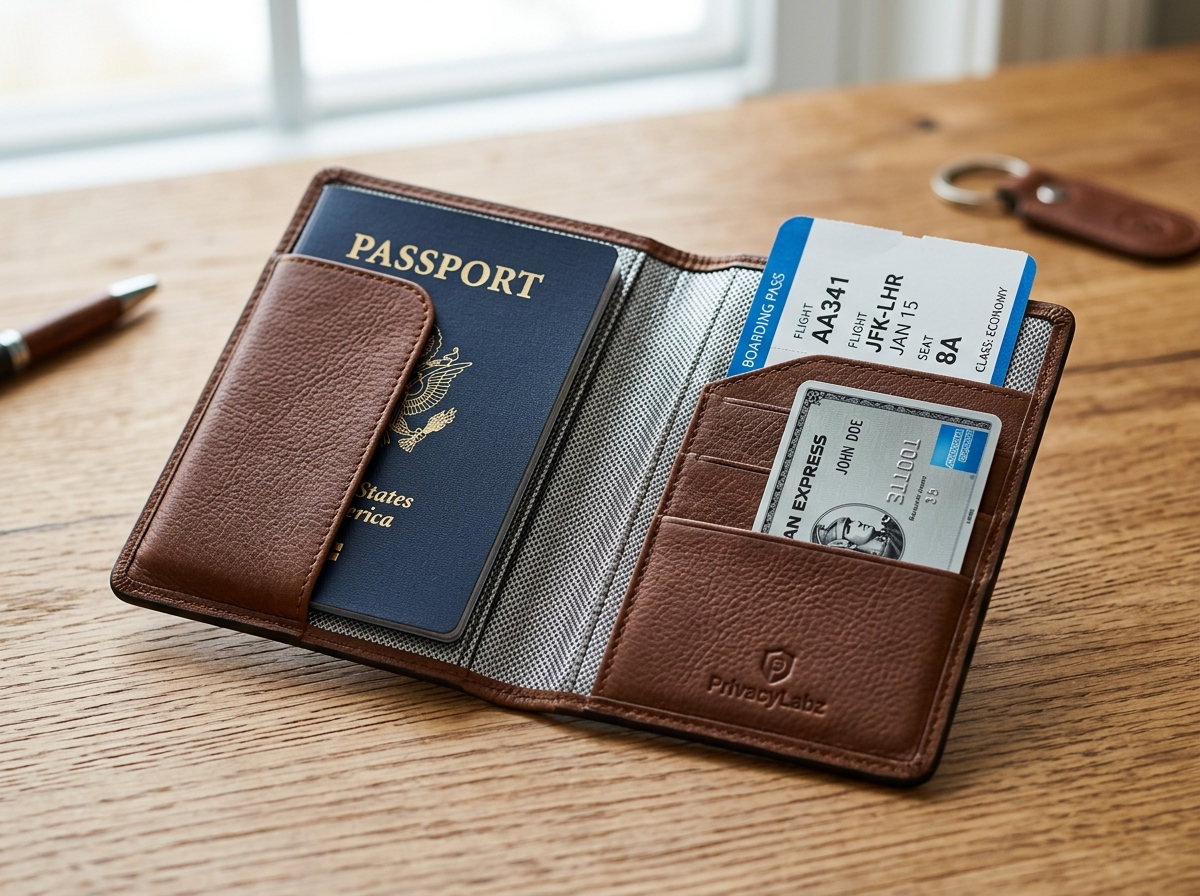
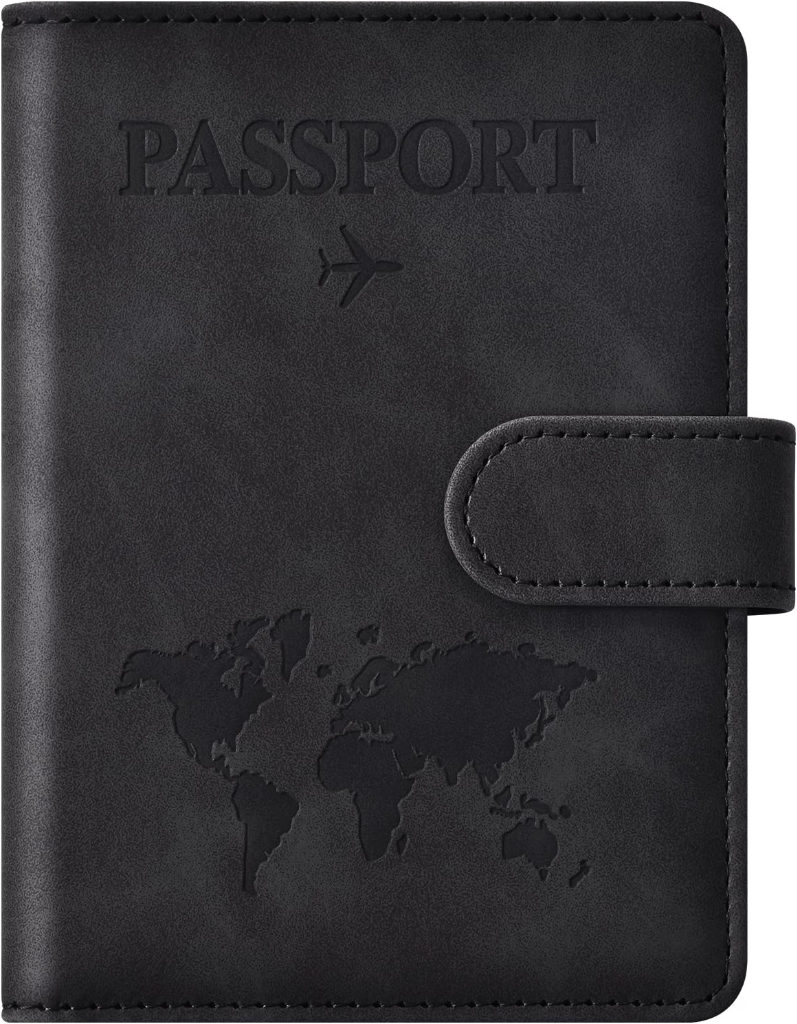
An RFID-blocking passport holder incorporates conductive shielding material into a travel wallet or protective cover to attenuate radio-frequency communication with your passport’s embedded contactless chip.
Modern e-passports store biometric data accessible only over 13.56 MHz near-field radio frequency, safeguarded by cryptographic protocols like Basic Access Control (BAC) and PACE. While an exposed passport cannot simply be siphoned from across a room, physical shielding adds a layer of electromagnetic isolation while in transit.
Shielding only functions while your passport is fully enclosed and the cover remains closed. This guide covers how passport shielding works technically, how realistic wireless skimming threats actually are, and what ergonomic features matter when selecting travel gear.
At a Glance // Passport Shielding Evaluation
What it does
Shields an enclosed electronic passport from compatible RF communication
What it protects
The contactless passport chip, while properly enclosed inside
What it doesn't protect
Physical document theft, online account compromises, or non-RFID identity theft
What matters
Shielding coverage, fit, construction, closure, and everyday travel usability
Do you need one?
Depends on your threat model and preference — covered in detail below
There isn’t one universally “best” passport holder. Different designs prioritize size, materials, storage, tracking accessories, and travel convenience.
What is an RFID blocking passport holder?
Electronic passports contain a contactless chip that a compatible reader can communicate with over radio frequency. Shielding material — the same general principle covered in our RFID Blocking: The Complete Guide — can interfere with that communication when the passport is fully enclosed inside it. The shielding only does anything while the passport is actually inside and the holder is closed; it has no effect on the passport once removed, and it doesn't change anything about the passport itself.
Do passports actually use RFID?
Yes — modern electronic passports (e-passports) contain an embedded chip specified under ICAO Doc 9303, the international standard for machine-readable travel documents, maintained by the International Civil Aviation Organization. The chip stores the same biographical data printed on the passport's photo page, along with a digital photo and, in many passports, additional biometric data. A compatible reader can retrieve this over a short-range contactless connection — but “compatible reader that can retrieve it” is doing more work in that sentence than it might first appear, covered next.
Can someone scan your passport through your bag?
This is worth answering carefully, because the realistic picture is meaningfully better than the fear-based version of this question usually implies. Most e-passports implement a security protocol called Basic Access Control (BAC), mandatory in Europe and widely implemented elsewhere, or its newer successor PACE. Under BAC, before the chip will release any data at all, the reader must first derive an access key from the Machine Readable Zone (MRZ) — the printed text at the bottom of the passport's physical photo page — which requires optically scanning that printed page first. Without that key, the chip simply doesn't respond with usable data to a radio query alone.
The practical consequence: a closed passport sitting in a bag or pocket isn't just relying on distance or luck — under BAC/PACE, there's no way to derive the access key without physically opening the passport and optically reading the printed page, which a bag prevents by definition regardless of shielding. This is a genuinely different, more specific, and more reassuring answer than “RFID scanning happens instantly from a distance if you're not shielded,” which is the framing a lot of product marketing leans on without explaining the actual protocol.
That said, worth being precise rather than absolute: not every implementation worldwide is guaranteed to use these protections identically, older or non-BAC-compliant passports exist, and cryptographic protocols can have documented edge cases and research attacks against specific implementations, even if the practical bar for exploiting them in casual proximity is high. “Technically possible under specific research conditions” and “a realistic everyday risk for a closed passport in your bag” are different claims, and this page isn't going to conflate them.
What about credit and debit cards, separately?
This page is specifically about passports — contactless payment cards use a related but distinct technology. Both operate in the same general frequency range (13.56 MHz, per ISO/IEC 14443), but the protocol, the data actually exposed, and what's realistically at stake are different questions. A payment card doesn't implement anything equivalent to BAC's “optically scan the printed page first” requirement — the relevant protections for contactless payment cards come from the payment network's own transaction security (tokenization, transaction limits, issuer-side fraud detection) rather than a passport-style access-control handshake. That's a genuinely different risk model from a passport, which is why this page doesn't try to answer both at once — see the dedicated RFID wallets guide for the card-specific version of this same honest-assessment approach.
A note on how this compares across countries
Not every country's passport program implements identical security protocols, issued the same year, to the same standard. BAC has been mandatory across the EU for over a decade, and PACE is increasingly common as older passports are replaced through normal renewal cycles, but a passport issued somewhere with a less mature rollout, or an older passport still in circulation, may not carry the same protections described above. This isn't a reason to assume the worst — it's a reason the “considerably lower than feared” framing above is a general pattern, not a blanket guarantee that applies identically to literally every passport in the world regardless of where or when it was issued.
What actually matters when choosing one
When selecting a passport holder, marketing claims often focus on absolute fear slogans. In practice, seven functional factors determine whether a product provides genuine utility and travel peace of mind:
01 // COVERAGE
Shielding coverage
Does the conductive shielding material properly surround the passport on both sides when the holder is closed, or does it only protect one side or leave perimeter gaps?
02 // RETENTION
Passport fit
Does the passport booklet sit fully seated inside the shielded compartment, or can it shift partially out of the protective zone during routine handling?
03 // MATERIALS
Construction
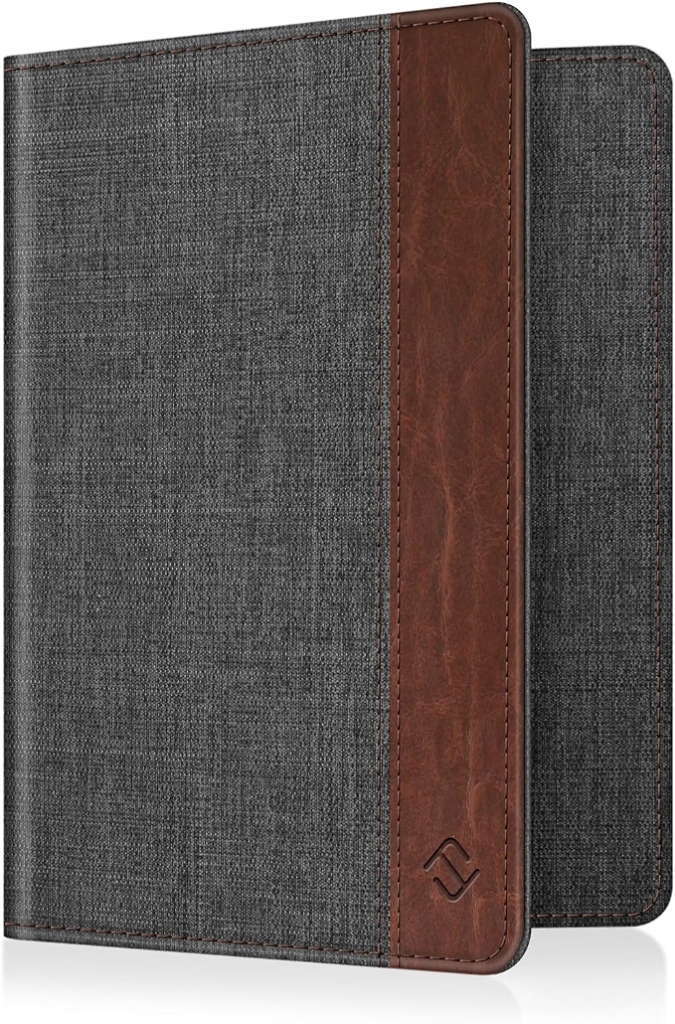
Leather, synthetic nylon, an internal metallic shielding liner, and seam quality all matter. The visible exterior shell isn't what provides the RF attenuation.
04 // BULK
Size and bulk
A passport holder spends its life in bags and jacket pockets. Sixteen interior card slots sound impressive until your travel cover expands to the size of a paperback.
05 // UTILITY
Storage layout
Decide whether you genuinely want payment cards, boarding passes, and cash sharing space with your primary travel document, or whether you prefer dedicated separation.
06 // TRACKING
AirTag slot
Useful if you specifically want a dedicated hardware tracker slot — but AirTag compatibility is entirely separate from RFID shielding, addressing physical item tracking rather than RF defense.
07 // CLOSURE
Closure security
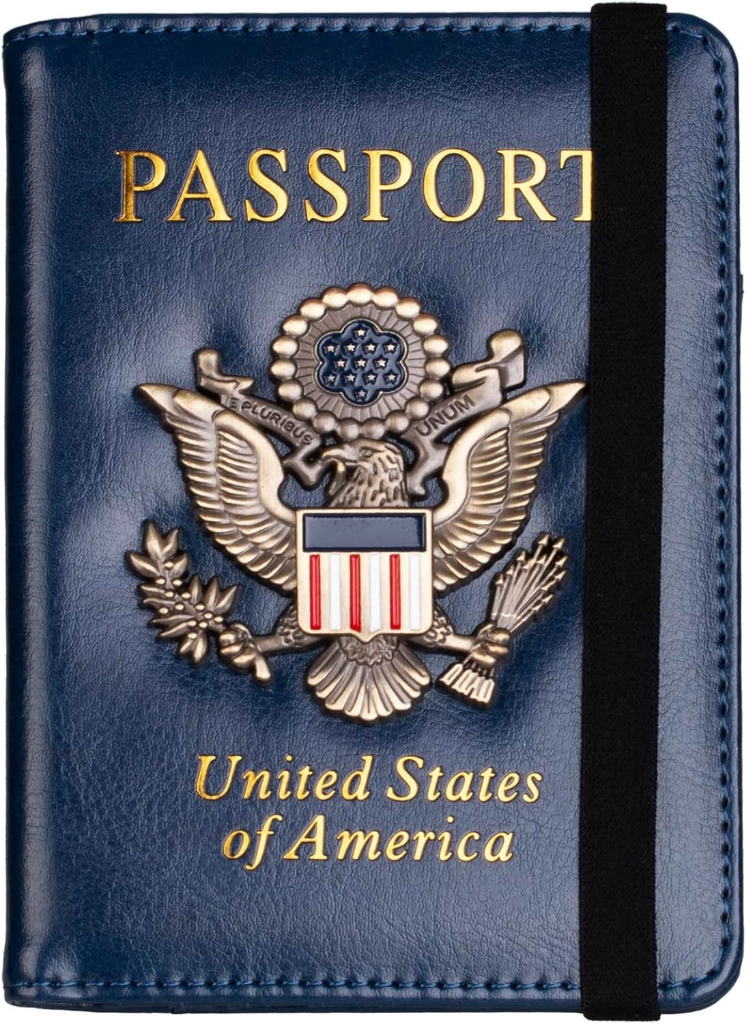
Does the holder stay securely closed with a magnetic clasp, elastic band, or snap button, keeping the passport positioned inside the shielded area under transit motion?
Leather, nylon, or synthetic?
Worth clarifying directly, since it's an easy thing to assume incorrectly: the visible exterior material — leather, nylon, or otherwise — is not what provides the RF shielding. The relevant component is an internal conductive layer, separate from whatever material the holder is covered in. Leather options tend to look and wear differently, generally cost more, and add some bulk; nylon or synthetic options tend to be lighter and more flexible for travel. Don't assume leather inherently shields better than synthetic, or vice versa — that's a claim about the internal shielding construction, not the exterior material, and shouldn't be assumed without the manufacturer actually specifying it.
What about an RFID passport holder with an AirTag slot?
Worth its own short section, since it's a specific, real search pattern. An AirTag slot addresses physical item tracking — finding your passport holder if it's lost or misplaced. RFID blocking addresses a completely separate problem: radio communication with the passport's contactless chip. A frequent traveler may reasonably want both features in one organizer for convenience, but an AirTag doesn't make the passport more secure from RFID scanning, and RFID shielding doesn't help you find a misplaced holder. They solve different problems, bundled into the same product for convenience, not because they're related.
Do you actually need RFID blocking for your passport?
This deserves an honest answer, not a sales pitch. Two different questions are worth separating clearly:
- Can RFID shielding technically block communication with the chip? Yes — the underlying physics is real, covered on our RFID Blocking pillar.
- Is unauthorized passport scanning a significant everyday risk? Given the BAC/PACE protections covered above — which require physically opening and optically scanning the passport before the chip responds to a reader at all — the realistic everyday risk for a closed passport is considerably lower than “someone scans it through your bag while walking past you” framing suggests.
Core Principle
Technically effective does not mean automatically necessary.
That distinction is the honest summary here. People still reasonably choose a shielded holder for reasons beyond a specific fear of skimming: a general preference for RF isolation, frequent travel through varied environments, carrying multiple contactless credentials together, or simply because the incremental cost is low when buying a passport holder anyway. None of those are wrong reasons. What wouldn't be honest is presenting RFID blocking as a mandatory purchase to prevent a routinely-occurring threat — the built-in protections most modern passports already have are doing real, meaningful work before a shielded holder ever enters the picture.
Passport holder vs. RFID sleeve
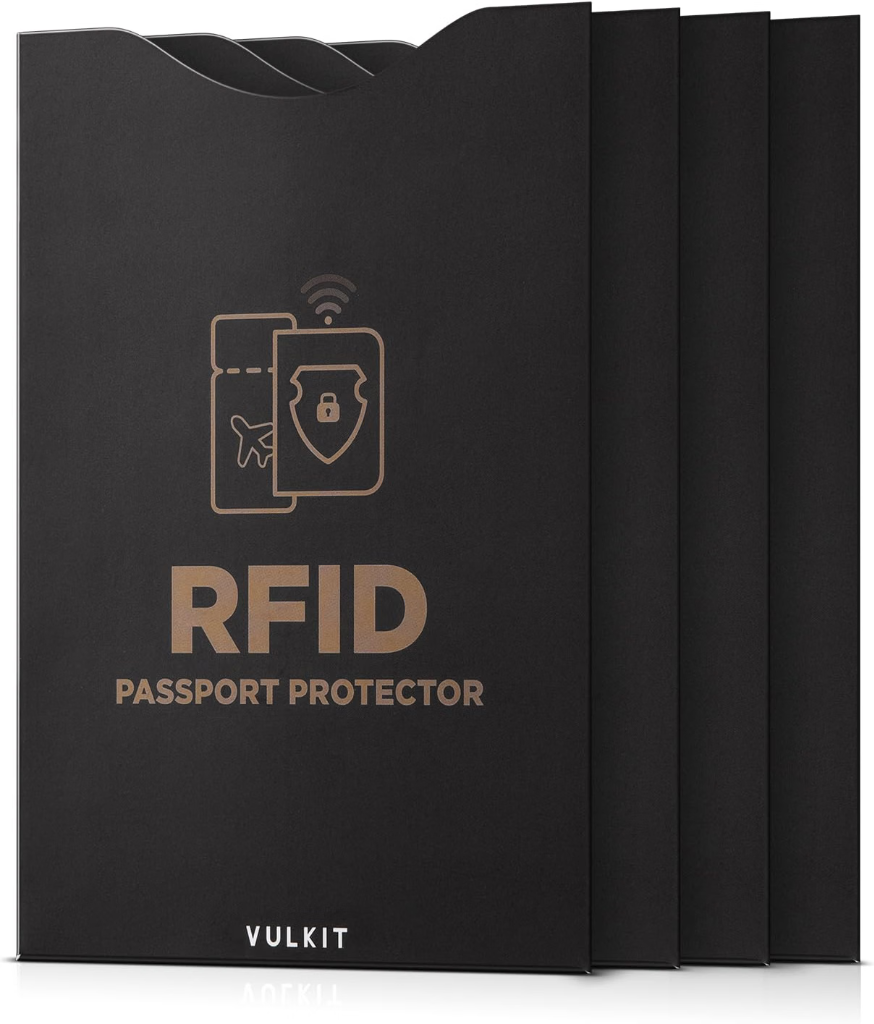
If you decide to isolate your passport from wireless communication, two distinct form factors exist on the market. Each involves different convenience and storage trade-offs:
Choose based on whether you want a comprehensive travel organizer with extra storage, or simply a shielded passport enclosure with nothing else. Neither is universally better.
How to check whether it's actually blocking
Consumers can sometimes perform basic functional checks with compatible readers or devices (such as an NFC-enabled smartphone running an e-passport inspection utility), but it's worth being clear about the limitation: a successful check under one specific condition doesn't establish attenuation across every relevant frequency, orientation, and environment the way a laboratory RF test would. Treat a passed basic check as reassurance against an obviously non-functional product, not as formal certification.